

Strengthening of the Italian Research Infrastructure for Metrology and Open Access Data in support to the Agrifood

The Importance of Metrology for the Agri-food Sector
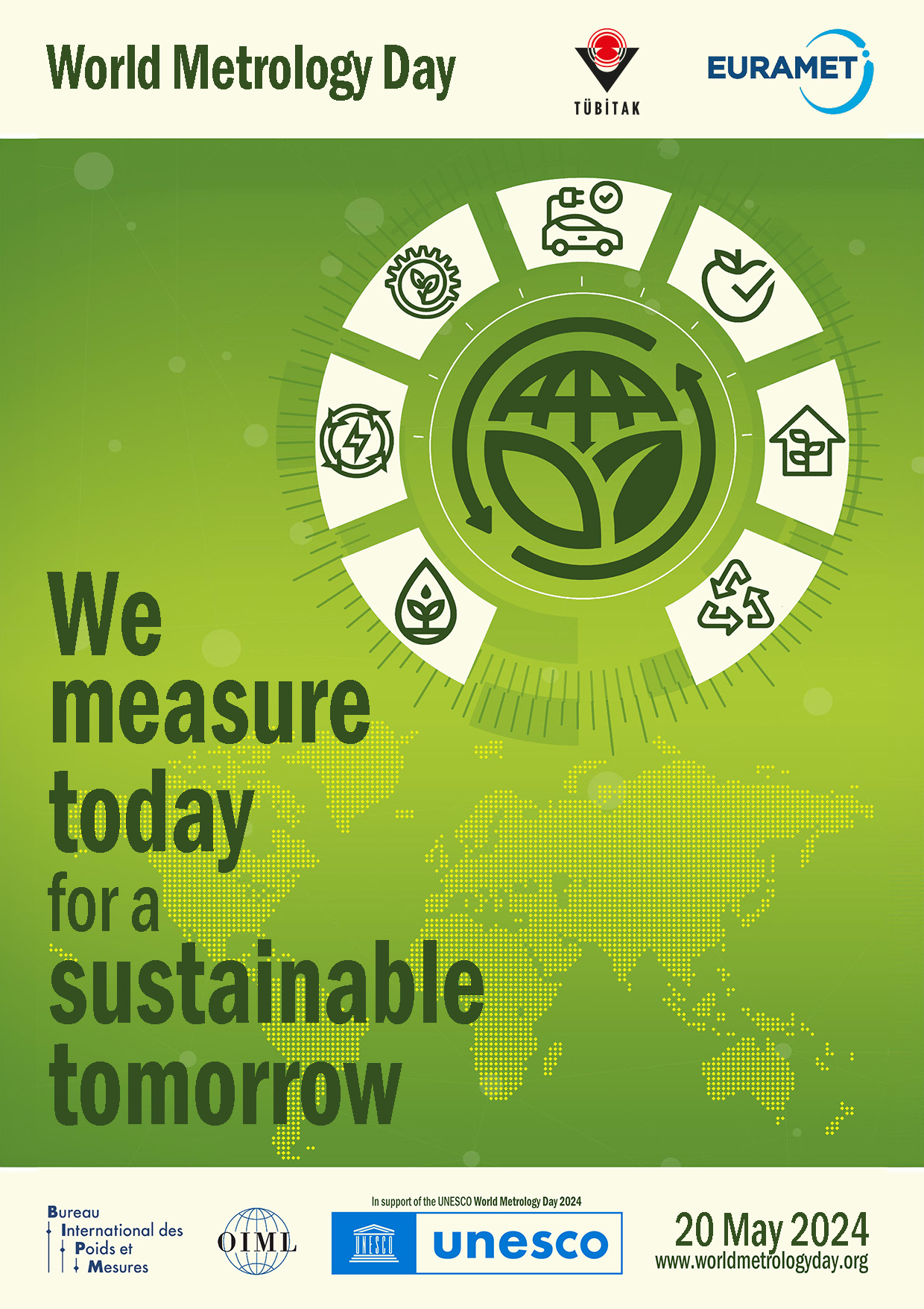
Metrology, the science of measurement, plays a crucial role in the sustainability of the agri-food sector. Applying metrological principles and practices can significantly improve the efficiency, safety, and environmental sustainability of the entire agri-food supply chain.
For the purposes of food traceability and sustainability, it’s important that the information on food labels is precise and transparent, in order to strengthen consumer confidence in the product itself. Analyses based on accurate and standardized measurements can facilitate the traceability of products along the supply chain and, at the same time, improve quality management and contribute to a fast and effective response to any emergencies, such as biological or chemical contamination of raw materials and finished products.
The Reuse of Food Waste
In the specific context of food sustainability and from a circular economy perspective, one of the winning strategies in which metrology can contribute is the reuse of food waste from different supply chains to obtain high value-added compounds, such as primary food packaging with antibacterial or antioxidant properties to extend the "shelf life" of foods. In this context, metrology contributes to the creation of standard procedures for quantifying the chemical properties of natural extracts obtained from plant waste, to assess their potential and estimate the risks related to their use.
The Role of METROFOOD-IT
To this end, METROFOOD-IT develops methods for the identification and quantification of contaminants, including nano and microplastics, also using mathematical and statistical methods to improve measurement accuracy. Through the use of advanced spectroscopy, it’s possible to develop new methods that improve production processes and product quality, both through the development of increasingly sustainable packaging materials and through the certification of origin, protecting the "Made in Italy" label.
In particular, by combining metrology with digital technologies aimed at large-scale data analysis, it’s possible to obtain reliable and traceable tools for the physical-chemical characterization of food products and the extraction of quantitative information about their possible contamination. In this scenario, increasingly accurate and reliable measurements, along with the availability of "FAIR data" and advanced data analysis techniques based on Artificial Intelligence, can contribute to more efficient resource management, reducing environmental impact, improving food quality and safety, and supporting regulatory compliance. Investing in advanced metrological tools and training for their use can lead to significant environmental, economic, and social benefits.
Authors:
Andrea Rossi, INRiM researcher:
Chiara Portesi, INRiM researcher:
Alessandra Manzoni, INRiM researcher: a.manzin@inrim.i